Can Saying ‘Anything’ Get You in Trouble? The Free Speech Debate
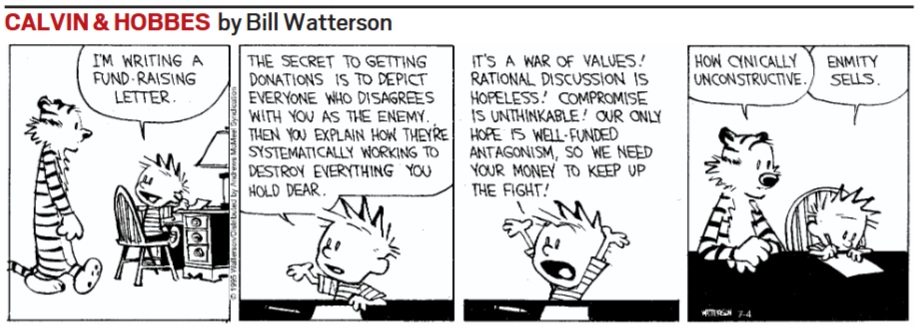
https://www.youtube.com/watch?v=BbXHeM1D68Q Saying "anything" can indeed get you in trouble, depending on context, intent, and legal boundaries, even in societies that value free speech. The free speech debate hinges on balancing individual expression with societal harm, and here’s a breakdown of why this matters:
1. Legal Limits to Free Speech Even in countries like the U.S., where free speech is strongly protected under the First Amendment, there are exceptions where words can lead to legal consequences:
Incitement to Violence: Speech that directly encourages illegal activity or violence, like Brandenburg v. Ohio (1969), can lead to prosecution if it’s intentional and likely to produce imminent harm.
Defamation: False statements that harm someone’s reputation (libel or slander) can result in civil lawsuits. For example, knowingly spreading lies about someone’s character could land you in court.
Threats: True threats, like saying “I’m going to kill you” with apparent intent, aren’t protected and can lead to criminal charges.
Hate Speech (in some jurisdictions): In places like Canada or the EU, speech targeting protected groups (e.g., based on race or religion) may be restricted if it incites hatred or discrimination. The U.S. is more permissive but still debates this.
Women Charge Sheet the Union Govt, RBI, NBFCs and MFIs
Women Charge Sheet the Union Govt, RBI, NBFCs and MFIs https://www.cenfa.org/massive-public-hearing-of-women-charge-sheet-the-union-govt-rbi-nbfcs-and-mfis/ women borrowers of the country face harassment, including sexual harassment, displacement, loss of property, and are sometimes driven to suicide because of the debt traps that are set by these organisations.
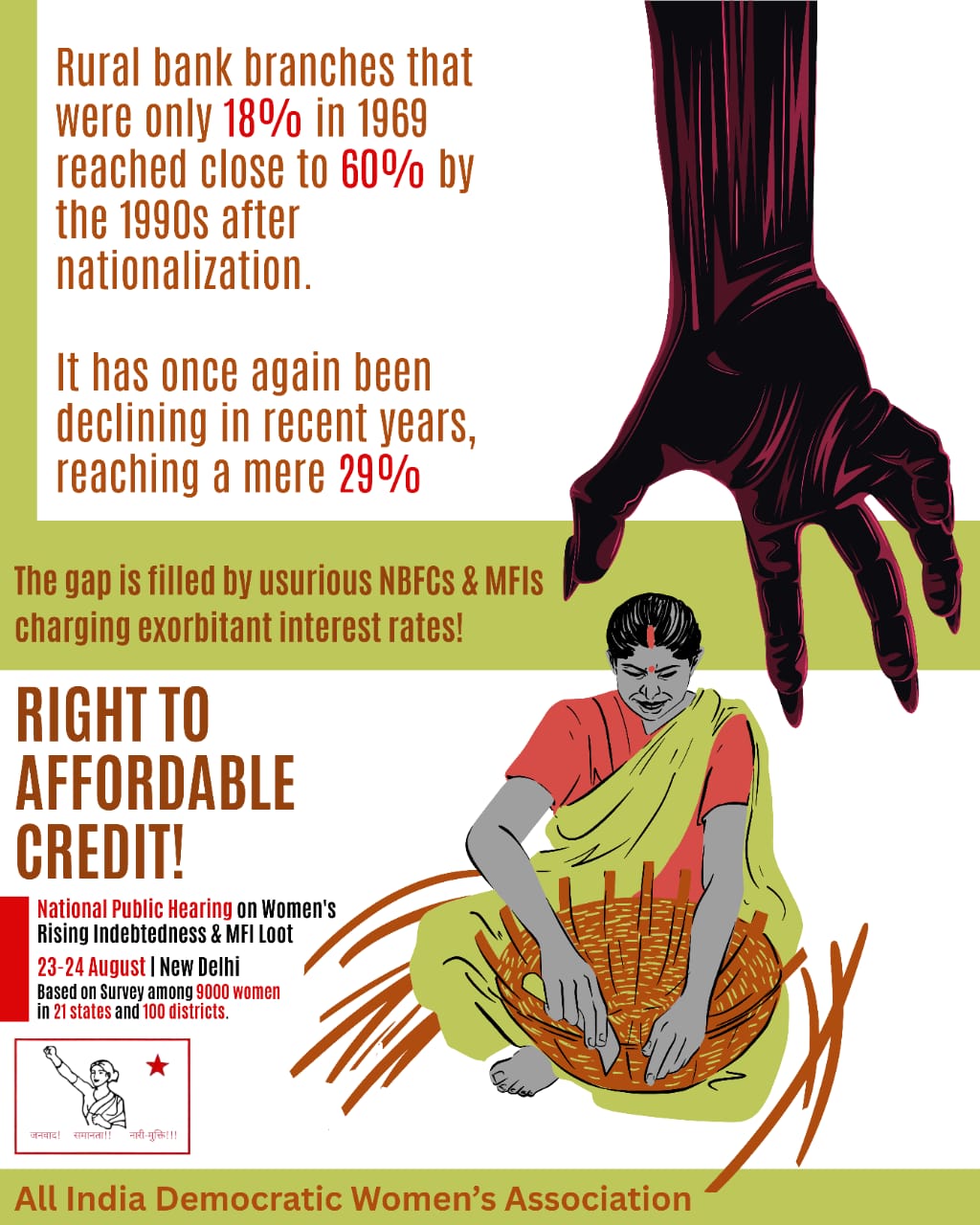 Charges against the central government : Falling expenditure on education, health, and employment generation has forced women to take individual/group loans for their needs.
Even though the number of small women borrowers is increasing, their access to loans from public sector banks is declining because of the policy emphasis on privatisation of the banking sector and promotion of MFIs /NBFCs /SFBs.
Robbing Women to loan to corporates: While small savings account form the bulk of deposits in public sector banks, loans below 2 lakhs has gone below 7%, whereas loans above 100 crore is 23%. Scheduled banks lends 187L crore to others, out of which 60% is to NBFCs for onward lending to Women, who pay 22-26% interest, which the FIs get at 9-13 %.
Abetting Suicides Due to Debt Traps
According to NCRB, 671 women committed suicide due to indebtedness in 2022. Every suicide and cause are not reported to NCRB.
https://www.youtube.com/watch?v=jjbQeuE3hGk
Unpacking Privilege: The Other Side of Caste
Ravikant Kisana's ‘Meet the Savarnas’ is an important contribution to the field of critical caste studies, aiming to reverse the gaze from the marginalised to the privileged castes.
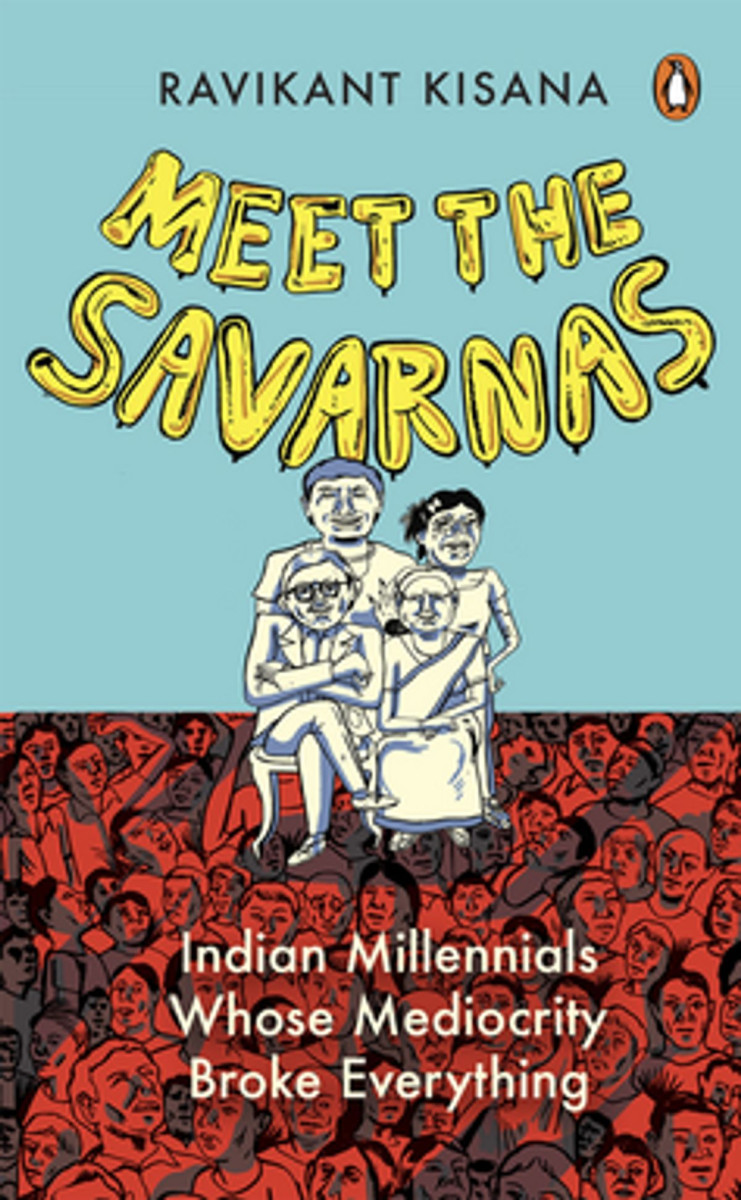
Caste in India is mostly researched and reported from the experience of the oppressed. Caste as a privilege is not understood well. How do caste elites respond to modernity? How do they understand culture, intimacy, love and tradition? Were their ideas, institutions and imaginations ever even capable of delivering upon the Great Indian Dream?
In Meet the Savarnas, Ravikant Kisana goes where few authors have dared: to document the lives, the concerns and crises of India’s urban elites, to frame the savarnas as a distinct social cohort, one that operates within itself and yet is oblivious of its own social rules, privileges and systems.
Unpacking Privilege: The Other Side of Caste - The Wire
20/08/2025
Page 3 of 53