'Indianisation' of Syllabi is Hollowing Out Knowledge in Our Universities
Knowledge – its very disciplines – are today locked in a struggle for survival on university campuses in India. It is a bloodless war, but no less brutal for that. Most people in India remain blissfully unaware of this conflict and carry on with their business. On one side stand those who defend knowledge, armed with nothing but their training, their discipline, and their commitment to intellectual integrity. On the other side are the invaders, wielding a far more lethal weapon: nationalism, sharpened into its Hindutva form.
For the past eleven years, the making of syllabi has turned into a continuous tug-of-war. Hapless department heads have had to defend their curricula against volleys of nationalist and “Indianist” sophistry. Whatever the discipline – particularly in the humanities and social sciences – the moment words such as caste, gender, discrimination, sexuality, or LGBTQ appear, administrative representatives react with hostility. Foreign authors and thinkers provoke a similar unease. In their haste to “Indianise” knowledge, committee members do not hesitate to browbeat subject experts.
https://thewire.in/education/at-delhi-university-indianisation-of-syllabi-is-hollowing-out-knowledge
It would be wrong to say that everything is lost. As I have noted earlier, many department heads and teachers continue to devise ways to protect the dignity of their disciplines. Sometimes they succeed; sometimes they are forced into compromise. It would not be an exaggeration to say that Indian universities have become battlefields where a fierce struggle is underway between knowledge and Hindutva ideology. Knowledge itself cannot fight. On its behalf stand those teachers who still remain teachers, entering committee meetings prepared to counter an endless barrage of Hindutva idiocy.
by Apoorvanand
31/12/2025
The Balance Sheet: World Bank & its 80-year legacy
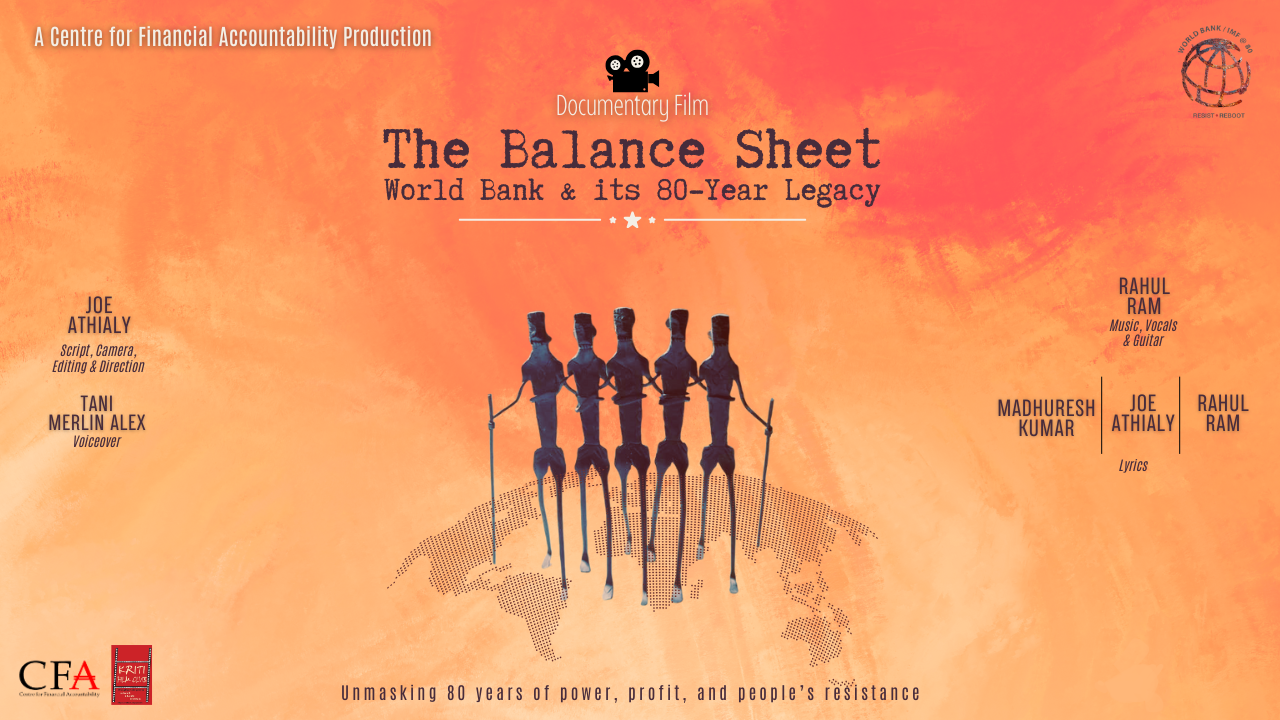 https://www.cenfa.org/the-balance-sheet-world-bank-its-80-year-legacy-documentary-trailer/
https://www.youtube.com/watch?v=EXld_51qzho For 80 years, the World Bank and IMF have fueled displacement, inequality, fossil dependence, and authoritarian regimes—while claiming to fight poverty. The Balance Sheet exposes their legacy and sinister designs, and celebrates global resistance by adivasis, women, and marginalised communities who dared to challenge their exploitative development model.
🎬 Script, Camera, Editing & Direction
Joe Athialy
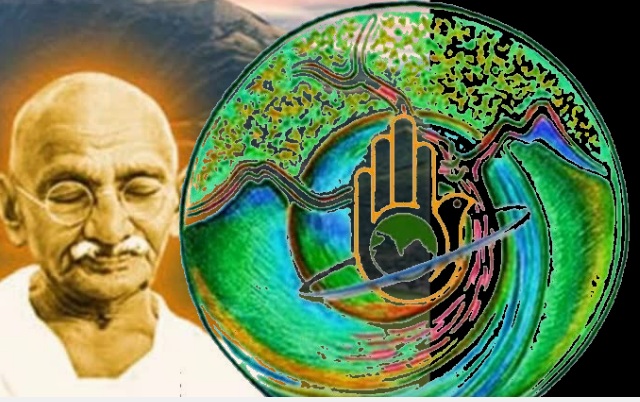
Ahimsa -- born out of the burst of stars..
Mahatma Gandhi Ahimsa https://www.youtube.com/watch?v=OBHi1j6XRAU 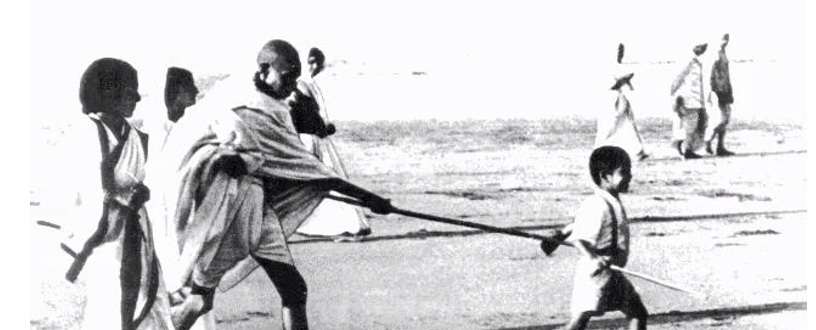 Singer: Dr K J Yesudas Music : Ricardo Barrantes, Peru
ahinsa
can you leave your fears behind
open are the amirs of your mind
here I stand
between the Cleaves
of night and days
the bridge of easy dreams
a journey of my soul
to reach the endless kind
Ahinsa
living fires and Silent Stones
whispering still
Ancient Memories long time gone
can you recall beyond your eyes
and hope born out of burst the stars
the drift across the sky
A million years ago.
Celebrating Gandhi, Ambedkar and Bhagat Singh https://www.youtube.com/shorts/nPwCVB8LGU4
Page 2 of 53