
Gandhi and the meaning of dharma and violence
Gandhi and the meaning of dharma and violence - https://www.hindustantimes.com/opinion/gandhi-and-the-meaning-of-dharma-and-violence-101738163065788.html The real Kurukshetra is inside our own mind and heart. This is why, for Gandhi, swaraj primarily meant command over our own impulses and emotions. Being free of British rule was to be a side effect of this inner-self-control, this conquest of our own anger and fears...when violence is justified on the basis of identity, of us versus them, there is a huge risk of violating the fundamentals of dharma-as-righteousness, most notably karuna/compassion and rudimentary decency.... when rage and anger generated by the frustrations of everyday life struggles, are mobilised , large numbers of people in the heat of the moment, unable to distinguish which violence is dharmic and which is adharmic.
Will you work for 90 hours?
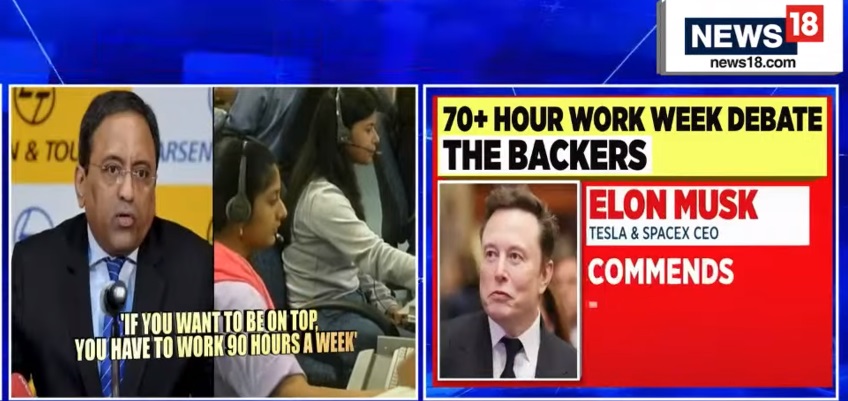 Will you work for 90 hours? https://www.youtube.com/watch?v=XkEWh8cRD9Q Ravish Kumar Official Jan 10, 2025 L&T Chairman SN Subrahmanyan Asks Employees To Work 90 Hours A Week A video of L&T Chairman SN Subrahmanyan is going viral in which he is saying that he regrets that he is not able to get people to work on Sundays. There are many memes going around on social media on his proposal to work for 90 hours a week. Actually, in the last several years, you have been reduced to sending only memes and good morning messages. There is either no job or it is low salary, inflation is at its peak and savings are going down. But you are pushing memes and blowing away every worry. All the questions have already disappeared from the media, the remaining work has been completed by the memes. Stop for a while and think how much space is there for you and your rights in such a proposal.
https://www.youtube.com/watch?v=po8vzTSTkmk | N18L CNN-News18 Dilip Cherian seem to be "normalising" it.. Saying that many people do work like that especially start-ups. After inviting sharp criticism for its chairman SN Subrahmanyan's idea of a 90-hour workweek, Larsen & Toubro (L&T) defended his remarks saying that 'extraordinary outcomes require extraordinary efforts'. 'We believe this is India’s decade, a time demanding collective dedication and effort to drive progress and realize our shared vision of becoming a developed nation. The Chairman’s remarks reflect this larger ambition,' the company said in a statement.
Death of a Lawyer . HRD
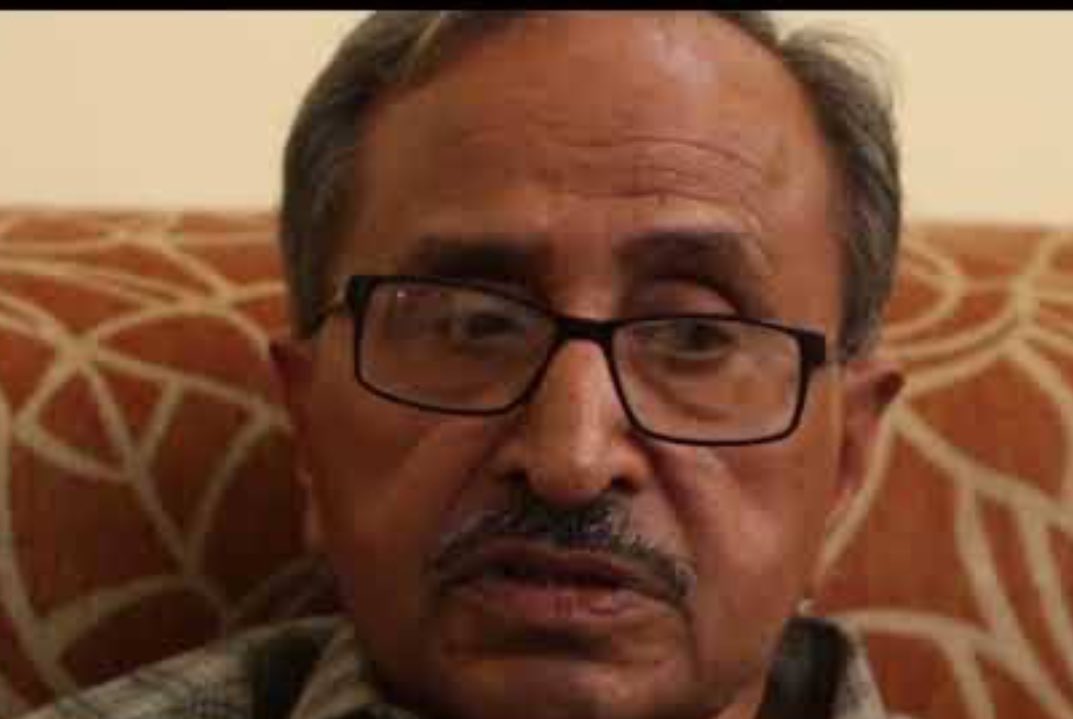
A former head of the PUCL, Ravi ji was an extremely kindred soul. He worked alongside Dr. Binayak Sen, Sudha Bharadwaj and Kavita Shrivastava in the PUCL.
When Justice Sudhir Agrawal of the Allahabad High Court, (the Ayodhya judgement case judge) wrote a letter to the Bar, suggesting that judges and senior advocates make contribution to help hapless lawyers during corona virus days, he as PUCL national president, publicly responded, saying that first this judge should give up his unnecessary Z-plus security (after the kind of judgement he had given), and secondly, he said, these days clients instead of engaging Senior Advocates prefer to engage kith and kin of Judges practicing in high court.
It embarrassed many 'uncle judges' no end.
Fond of quoting HM Seervai at length, he was the stuff the quest for justice in an unequal world is made of. No flag will fly at half mast, but his demise is nevertheless a huge loss, the kind which should be mourned in the recesses of our souls.
A lot of warriors for justice do not get the sort of headlines that some receive. Would we see gushing elegies in the papers? -- A Whats App Post.
Page 10 of 53